The strongest sale strategy is determined before the property goes live. Richard evaluates the property, the likely buyer, market conditions, and the available paths before recommending how it should be positioned.
Start With the Outcome
Start With the Buyer
A turnkey buyer may value condition and finish quality. A family may care more about layout, schools, and usable space. An investor may focus on income, basis, or expansion potential. A developer may value land, zoning, plans, and time saved.
The selling strategy should be built around the buyer most likely to see and pay for the property’s strongest attributes.
Position the Asset, Not Just the Listing
Every property has a different value proposition. Sometimes that is condition. Sometimes it is architecture, location, lot quality, views, income potential, expansion rights, new construction, or simply a home that is already finished well and needs nothing.
Before going to market, Richard evaluates the property, the likely buyer, current competition, pricing, condition, future potential, and any factors that could materially affect value or marketability.
The objective is not to force improvements. It is to identify what the market is most likely to reward — and position the property around that.
Compare the Available Paths
A property can reach the market in more than one way. The right strategy depends on the asset, the likely buyer, timing, preparation, and what the market is most likely to reward.
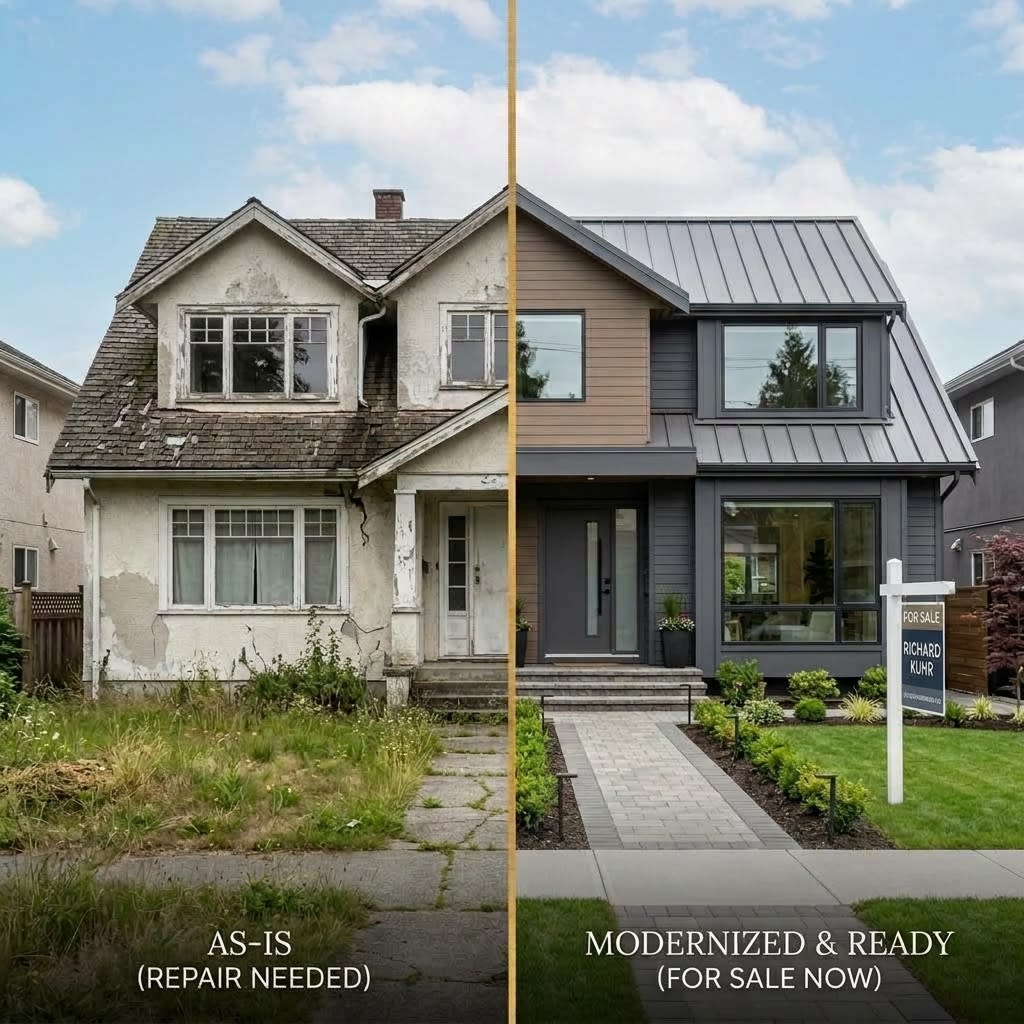
1. Sell as-is
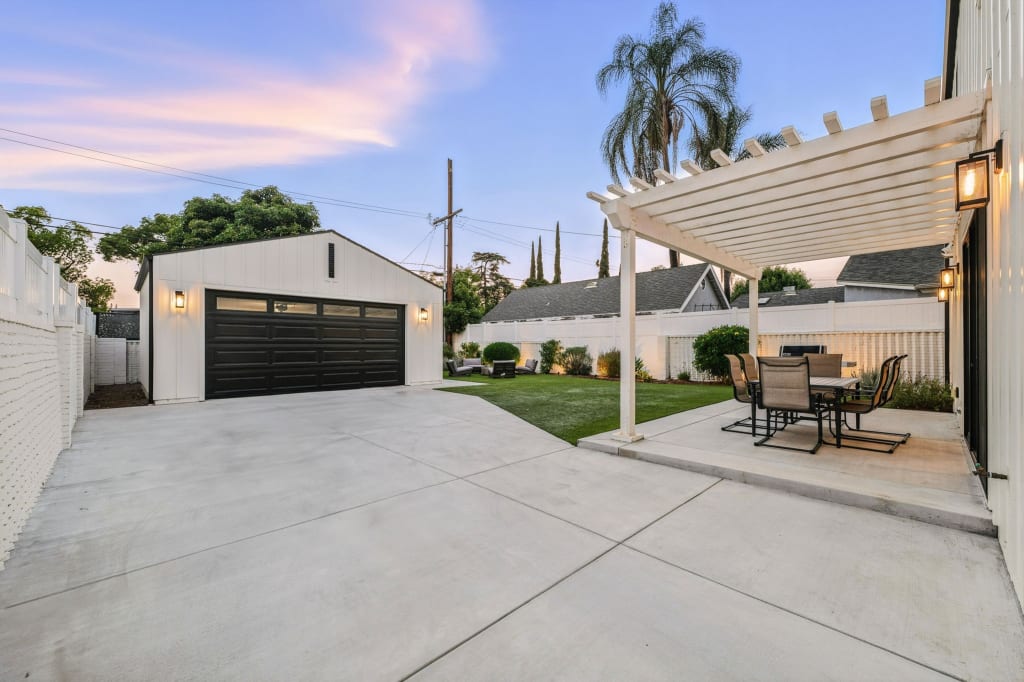
2. Make targeted improvements before listing
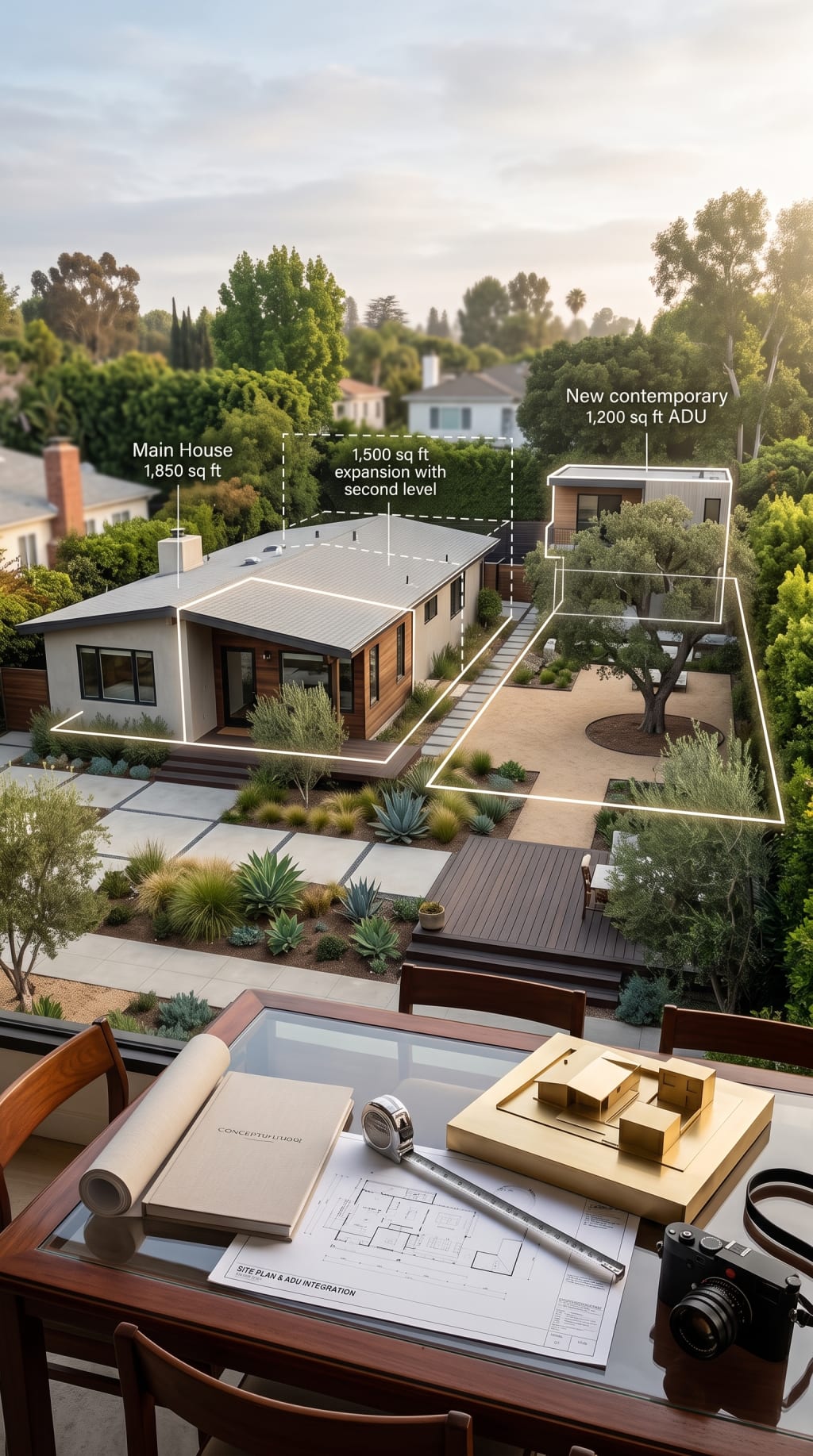
3. Highlight renovation, expansion, ADU, or rebuild potential
4. Position the property for the buyer most likely to value it
5. Use plans, renderings, entitlement progress, or development analysis when those materially improve the value proposition
The goal is to choose the path that presents the property clearly and supports the strongest possible result.
Best when the property is already well positioned, the market is likely to reward speed and simplicity, or additional investment is unlikely to produce a strong enough return.
Selling as-is does not mean doing nothing. It means pricing, presenting, marketing, and negotiating the property intelligently without spending capital that may not come back.
Best when focused improvements can materially improve presentation, reduce buyer objections, or support a stronger sale price relative to the time and cost required.
The goal is not to renovate for the sake of renovating. It is to identify the improvements the market is most likely to reward.
Path 3: Show the Future Potential
Some properties are strongest when buyers can clearly understand what they could become. This may apply to vacant land, teardown properties, fire-damaged homes, or sites with meaningful renovation, expansion, ADU, rebuild, or development potential.
When appropriate, Richard can help communicate that opportunity through realistic construction budgeting, conceptual site planning, renderings, entitlement progress, or development analysis.
Best when future potential is a meaningful part of the property’s value.
Before you sell, identify the strategy that gives the property its strongest market position.
Sign in with your email address
Enter your email address
Please wait...
You’re being redirected to the page with listing data.